

How to Select Electric Heaters
Electric heaters have a number of advantages they offer, including low initial costs, little maintenance required by the homeowner, and efficient heating. They are also more convenient to use than heating systems which require venting.
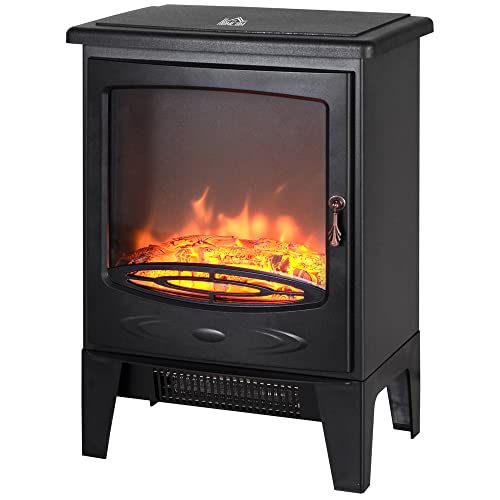
portable electric fireplace heaters can save money on heating expenses If you have an electricity provider that offers Economy 7.
Temperature Settings
The ideal situation is that your electric heater permits you to set and maintain the temperature you desire without having to turn it on or off. This will save energy and prevent you from leaving or entering an area that is too cold. Find a thermostat with an alarm clock, if it's possible.
When selecting an electric heater, be sure that it's rated for the space in which you live. If the heater is too small will need to run longer to reach the temperature you want. This can waste energy and can cause your space to overheat. Use our calculator to determine the right size of heater for your space in terms of watts per sq. foot.
Also, be sure the temperature adjustment knobs are accessible and adjust. If the knobs are recessed, you may have to take out screws and peel back insulation to access the knobs, which can be tricky. It's also important to check the recommended temperature range for safety and efficiency reasons. Temperatures that are lower than 120 degrees can trigger bacteria growth and increase the chance of scalding while temperatures that exceed 140 degrees may be a fire hazard.
The Everhot is an elegant compact heater that is that is designed to be used in conservatories, or according to the company's description: "annexes, holiday cottages narrow boats and shepherds' huts, as well as glamping pods." It can reach temperatures of up to 200C and is an ideal heater for heating and cooking. It comes with a timer and an ECO setting that optimizes temperature and power settings to be more efficient.
It's also extremely quiet. There's no fan noise or whirring sound when you change the settings. This makes it a good option for bedrooms or living rooms. It comes with other features as well like a built in nightlight that lights up in a blue color when the heater is turned on, and a built-in humidifier that can be set to intermittent mist for a subtler effect. It's also durable and safe and comes with a tip over shutoff switch, as well as an overheating safety feature that will shut off the unit automatically if it overheats. It's also UL-listed, to ensure safety.
Safety
Electric heaters are to be used with caution. Fire hazards from heaters and carbon monoxide (CO) poisoning can be particularly hazardous to people with a disability, elderly or those suffering from chronic health issues or immune system disorders. Pets and children may also knock the heater over which can cause injury or even death.
ESFI recommends checking the heater's cord, plug and outlet periodically. Find signs of damage like a cracked plug, a loose cord, or if the plug is loose or cracked. If the outlet or cord feels hot, contact an experienced electrician to replace it. Also, do not plug in multiple electrical devices at the same outlet with a space heater because it could overload the outlet and cause overheating.
It is recommended to only use heaters that are listed or labelled by a nationally recognized testing laboratory, like UL. These products are more likely to conform to voluntary safety standards. Avoid placing a heater near flammable materials, such as rugs or fabrics. Make sure there is a minimum three-foot space between the heater and substances that are combustible. Also, do not place a heater in the bathroom or kitchen, and don't be near it if you're soaking wet.
Also, make sure to connect the heater directly to a wall outlet. Never use an extension cord. If you must connect an extension cord, choose the shortest possible heavy-duty one made with 14-gauge wire. Look for outlets that are sagging as this could indicate an overloaded circuit.
Keep the electric space heater at least six inches from anything that could cause. Place the heater on an unburnable, flat surface, not on furniture, cabinets or tables, which may overheat. The last thing to do is unplug and turn off the heater before leaving the room.
Taking the proper safety measures when using electric heaters can avoid injuries and decrease energy consumption. Electric heaters are commonly employed by facility managers to provide extra heat to offices and other common areas when temperatures drop. Preferred Climate Solutions installs and services indoor or outdoor electric heating systems to make your space as comfortable in these cold winter months as you can. Contact us today to learn more about our heating solutions.
Energy Efficiency
When choosing an electric heater that is portable take into consideration its energy efficiency. This is the amount of energy needed to produce the desired output. Heating systems that consume less electricity are thought to be more efficient, and this can help to reduce the overall cost of heating your home or business.
The majority of electrical heaters convert electricity into heat using a heating element. It is usually made of a coil or ribbon, a flexible heater, or tubular element that releases heat when a current is passed through it. The amount of heat produced depends on the kind and method of heating element (convection radiation).
If you are concerned about your environmental impact, look for an option that utilizes an environmentally friendly form of energy. This could be a sustainable energy source or a substitute to fossil fuels like solar or wind.
Electric heaters' energy efficiency is also affected by the location and how the electricity is generated. Electricity generated from solar or wind power sources will be more efficient that electricity derived from fossil fuels in power stations.
You shouldn't just pick the heater that has an eco-friendly energy source, but one that has a number of energy-saving features. They could include automatic shut-off systems in the event of excessive heat or if the unit is accidentally tipping over.
These security measures will help protect your family or employees and will also help you reduce your energy costs by preventing excessive usage. Many portable electric heaters are engineered to run quietly, making them ideal for bedrooms, offices, and other areas that require a peaceful space.
Electric heaters can also save you money by reducing your maintenance calls. electric fireplace stove heater can be more costly to fix than electric heaters and the cost of maintenance could increase over time. Electric models are usually cheaper to maintain and come with more advanced features to help you save energy.
Installation
Electric heaters use the Joule principle that converts electrical energy into radiant warmth that warms a space. They're also efficient and affordable in comparison to other forms of heating, particularly gas. However, they're not suitable for every household and can put pressure on the electricity system. This is why it is recommended that an expert electrician verify that the current system can handle the additional burden of an electric wall heater prior to installing one.
When selecting an electric heater, you should consider several aspects, such as the type and size of the heater, as well as the room in the room it will be installed. The kind of heater you select will determine how much it costs to operate. A baseboard heater that is electric can cost more than the space heater or portable heater, but it offers more uniform warmth and doesn't require any vents or chimneys.
Electric fan heaters feature an air blower that circulates hot air throughout the room. This type of electric heater is the cheapest however it can be noisy and take longer to warm rooms.
Find a heater that comes with a thermostat. This feature allows you to set a target temperature and then shut it off when the desired temperature has been attained. This feature can help reduce the energy use and also reduce the need to keep turning the heater on and off.
Before you attempt to install an electric heater, be sure that the power is turned off on the breaker panel and confirm that the circuit is off by using a tester. Mark the area on the wall where you plan to place the heater, and then cut a hole in the wall. Use a drywall saw to cut the required section, making sure not to cut any existing electrical pipes or wires.
Use a 14/2 cable that is the same gauge as the wires already in place from the panel for the breaker to the wall opening. Remove approximately 1 inch of insulation off the conductors' ends on each wire and connect them to an accessible screw in the outlet box. Label or mark the wire with red tape to identify it as the "line". Connect it to the wire leads in the thermostat box marked "load".